



Table of Contents
- How Do Digital Marketing Channels Work Together Effectively
- How To Align Social Media With Email Marketing
- How To Integrate SEO And Content Marketing Strategies
- How Should PPC And SEO Work Together In 2024
- How To Coordinate Social Media With Website Content
- How Do Marketing Channels Support Each Other Digitally
- How To Sync Email Campaigns With Social Media Posts
- How Should Content And SEO Teams Collaborate Better
- How To Align Paid And Organic Marketing Efforts
- How Do Marketing Channels Create Unified Customer Journeys
How Do Digital Marketing Channels Work Together Effectively
In today's fragmented digital landscape, businesses struggle with disconnected marketing efforts that dilute brand impact and waste resources. The challenge lies in creating a cohesive ecosystem where digital marketing channels amplify each other rather than operating in isolation, requiring strategic alignment across all touchpoints to drive meaningful business growth.
Effective channel integration begins with a unified brand strategy that informs every customer interaction. Vayes implements comprehensive digital transformation frameworks that synchronize website performance, social media engagement, and targeted advertising into a seamless customer journey. This holistic approach ensures consistent messaging while maximizing digital visibility across platforms.
Data-driven decision making forms the backbone of successful channel collaboration. By implementing advanced analytics and SEO strategy across platforms, businesses can identify high-performing channels and optimize resource allocation. For instance, insights from social media engagement can inform content creation for email campaigns, while website analytics guide paid search targeting.
The most successful implementations leverage automation and mobile application development to create personalized customer experiences at scale. When social media management coordinates with email marketing and retargeting campaigns, businesses see significant improvements in customer retention and lifetime value. This integrated approach transforms isolated interactions into continuous conversations.
Forward-thinking organizations recognize that channel synergy directly impacts the bottom line. By implementing a cohesive digital marketing ecosystem, businesses can achieve measurable improvements in conversion rates and customer acquisition costs. The key lies in selecting a partner with expertise in orchestrating these complex relationships to deliver sustainable growth and competitive advantage in an increasingly digital marketplace.
How To Align Social Media With Email Marketing
Businesses often treat social media marketing and email campaigns as separate entities, missing the substantial benefits of their strategic alignment. This disconnect leads to inconsistent messaging, wasted resources, and missed opportunities for nurturing customer relationships across multiple touchpoints, ultimately impacting conversion rates and brand consistency.
Successful integration begins with a unified content strategy that bridges both channels. Vayes implements cross-platform workflows where social media interactions inform email segmentation, while email engagement metrics guide social targeting. This approach creates a continuous feedback loop, allowing businesses to deliver personalized experiences that resonate with their audience's preferences and behaviors.
Technical implementation requires robust marketing automation tools that synchronize customer data between platforms. By implementing UTM parameters and conversion tracking, businesses can attribute social media engagement to email sign-ups and subsequent purchases. This data-driven approach enables precise optimization of both channels, improving lead generation and customer acquisition efficiency.
Strategic content repurposing amplifies reach and reinforces messaging across channels. High-performing social media content can be expanded into comprehensive email newsletters, while exclusive email offers can be teased through social posts to drive subscriptions. This synergy not only increases audience engagement but also creates multiple touchpoints that guide prospects through the sales funnel.
Organizations that master this alignment see significant improvements in customer retention and lifetime value. By implementing these integrated strategies, businesses can achieve up to 30 percent higher conversion rates and 25 percent lower customer acquisition costs. The key lies in selecting a partner with expertise in orchestrating these complex relationships to deliver measurable business outcomes through cohesive digital experiences.
How To Integrate SEO And Content Marketing Strategies
Many businesses struggle with disconnected SEO strategy and content marketing efforts, resulting in wasted resources and missed opportunities for organic growth. This fragmentation often stems from treating search optimization and content creation as separate functions rather than complementary components of a unified digital marketing approach that drives sustainable visibility and engagement.
Successful integration begins with comprehensive keyword research that informs both content planning and technical optimization. Vayes implements a data-driven framework where search intent analysis guides content creation, ensuring every piece serves a specific purpose in the customer journey while targeting valuable search terms that align with business objectives and user needs.
Technical implementation requires optimizing website architecture for both search engines and user experience. This includes implementing structured data, improving page speed, and creating clear content hierarchies that help search engines understand and rank content effectively. These technical foundations support content discoverability and enhance the overall user experience.
Content creation must balance search intent with brand storytelling, creating valuable resources that answer user questions while establishing thought leadership. This approach transforms generic content into strategic assets that attract qualified traffic and nurture leads through the sales funnel. Regular performance analysis ensures continuous optimization based on actual user behavior and engagement metrics.
Businesses that successfully integrate these strategies typically see 40-60 percent increases in organic traffic within six months, along with higher conversion rates and improved brand authority. By implementing this holistic approach, organizations can achieve sustainable growth through content that not only ranks well but also resonates with their target audience and drives meaningful business outcomes in today's competitive digital landscape.
How Should PPC And SEO Work Together In 2024
In 2024, the most successful digital strategies recognize that PPC advertising and SEO strategy are not competing channels but complementary forces that drive superior results when properly integrated. Businesses that fail to coordinate these approaches miss opportunities to maximize digital visibility and optimize marketing spend across the entire customer acquisition funnel.
Strategic alignment begins with shared data analysis, where insights from paid campaigns inform organic search strategies and vice versa. Vayes implements sophisticated tracking systems that measure how paid and organic efforts influence each other, enabling data-driven decisions about keyword targeting and budget allocation. This approach reveals valuable search terms that perform well in paid campaigns and deserve organic optimization.
Technical integration is crucial for maximizing the synergy between channels. Implementing conversion tracking across both PPC and organic touchpoints provides a complete picture of user behavior and attribution. This data helps refine landing page experiences, improve quality scores, and optimize ad relevance for better performance and lower costs.
Advanced marketing automation tools now enable real-time optimization between paid and organic channels. For example, high-performing organic content can be amplified through targeted PPC campaigns, while successful paid keywords can be prioritized in content strategy development. This dynamic approach ensures continuous improvement and maximum ROI from both channels.
Businesses that implement this integrated approach typically achieve 30-50 percent higher conversion rates and 25-40 percent lower customer acquisition costs. By leveraging the combined power of PPC and SEO, organizations can establish market dominance, accelerate growth, and build sustainable competitive advantages in an increasingly complex digital landscape where channel synergy is no longer optional but essential for success.
How To Coordinate Social Media With Website Content
Businesses often struggle with disconnected social media and website content strategies, resulting in inconsistent brand messaging and missed conversion opportunities. This fragmentation undermines user experience and dilutes the impact of digital marketing efforts, making it challenging to guide social audiences toward meaningful website interactions and conversions.
Strategic alignment begins with a unified content calendar that coordinates social media posts with website updates and blog publications. Vayes implements cross-platform workflows where social content drives traffic to optimized landing pages, while website analytics inform social media targeting and messaging. This integrated approach ensures consistent brand storytelling across all digital touchpoints.
Technical implementation requires optimizing website performance for social referrals, including fast-loading pages, mobile responsiveness, and clear calls-to-action. Social sharing buttons should be strategically placed to encourage content distribution, while UTM parameters track the effectiveness of social campaigns in driving website traffic and conversions.
Content repurposing maximizes the value of both channels, transforming high-performing blog posts into social media carousels, videos, or infographics. Social listening tools can identify trending topics and audience interests, informing content strategy for the website. This creates a continuous feedback loop where each channel supports and amplifies the other.
Businesses that successfully coordinate these channels typically see 40-60 percent increases in social referral traffic and 25-35 percent higher conversion rates from social sources. By implementing these integrated strategies, organizations can create a cohesive digital ecosystem that not only improves brand visibility but also drives measurable business growth through aligned social and website experiences that convert engaged followers into loyal customers.
How Do Marketing Channels Support Each Other Digitally
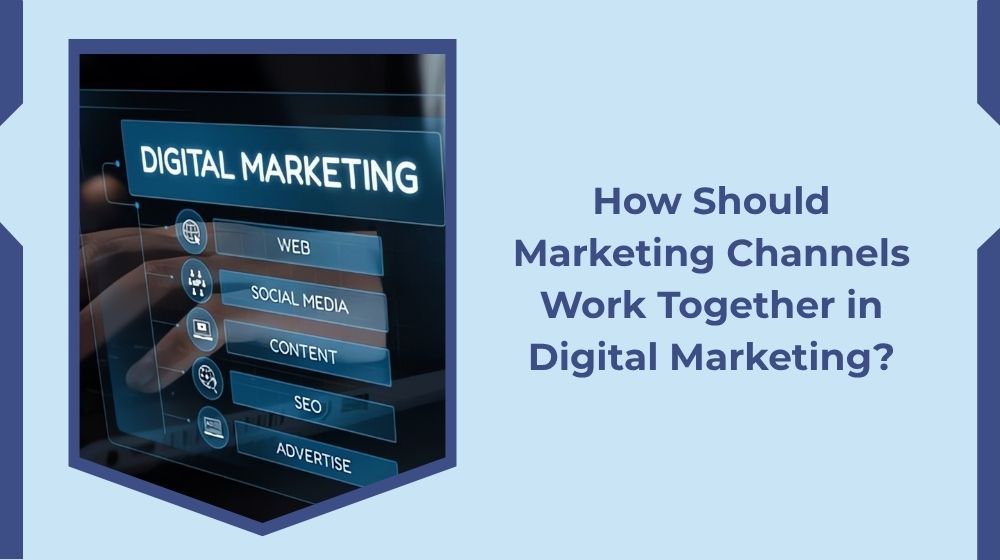
Modern businesses face the challenge of managing multiple marketing channels that often operate in silos, leading to inconsistent messaging and inefficient resource allocation. The key to maximizing digital transformation lies in understanding how these channels can work synergistically to create a unified customer experience that drives measurable business results.
Strategic channel integration begins with a comprehensive digital ecosystem where each platform amplifies the others' impact. Vayes implements cross-channel strategies where social media engagement informs email marketing segmentation, while website analytics guide paid advertising targeting. This interconnected approach ensures consistent brand messaging while maximizing reach and engagement across all touchpoints.
Data integration forms the foundation of effective channel collaboration. By implementing advanced analytics platforms, businesses can track customer journeys across multiple channels, identifying high-performing combinations and optimizing resource allocation. This data-driven approach enables precise measurement of how each channel contributes to overall conversion optimization and customer acquisition costs.
Content plays a crucial role in channel synergy, with successful strategies involving the strategic repurposing of assets across platforms. A single piece of high-quality content can be adapted for social media, email newsletters, blog posts, and video platforms, each version optimized for the specific channel while maintaining brand consistency and messaging.
Businesses that master channel integration typically achieve 35-50 percent higher customer retention rates and 40-60 percent better marketing ROI. By implementing these coordinated strategies, organizations can create a powerful digital presence where each marketing channel strengthens the others, driving sustainable growth and competitive advantage in today's interconnected digital landscape. The result is a seamless customer experience that converts prospects into loyal brand advocates.
How To Sync Email Campaigns With Social Media Posts
Businesses often struggle with disconnected email campaigns and social media efforts, missing valuable opportunities to create cohesive customer experiences. This fragmentation leads to inconsistent messaging, reduced engagement, and lower conversion rates, ultimately impacting the effectiveness of digital marketing investments and brand perception.
Strategic synchronization begins with a unified content calendar that coordinates email and social media activities. Vayes implements cross-platform workflows where social media interactions inform email segmentation, while email engagement metrics guide social media targeting. This approach creates a continuous feedback loop that enhances personalization and relevance across both channels.
Technical implementation requires integrating marketing automation tools that connect email platforms with social media management systems. By implementing UTM parameters and conversion tracking, businesses can measure how social media engagement influences email sign-ups and subsequent purchases. This data-driven approach enables precise optimization of both channels for improved lead generation and customer acquisition.
Content repurposing plays a crucial role in maximizing reach and reinforcing messaging. High-performing social media content can be expanded into comprehensive email newsletters, while exclusive email offers can be teased through social posts to drive subscriptions. This synergy not only increases audience engagement but also creates multiple touchpoints that guide prospects through the sales funnel.
Organizations that master this synchronization typically achieve 30-45 percent higher email open rates and 25-35 percent better social media engagement. By implementing these integrated strategies, businesses can create a powerful feedback loop where email and social media work together to nurture relationships, drive conversions, and build lasting customer loyalty. The result is a more efficient marketing ecosystem that delivers measurable business outcomes through coordinated digital experiences.
How Should Content And SEO Teams Collaborate Better
The persistent divide between content teams and SEO specialists often results in missed opportunities for organic growth and diminished digital visibility. This siloed approach prevents organizations from creating content that effectively balances user intent with search engine requirements, ultimately limiting their ability to attract and engage target audiences.
Successful collaboration begins with establishing shared goals and KPIs that align content quality with search performance metrics. Vayes implements integrated workflows where keyword research informs content planning from the earliest stages, ensuring that every piece serves both user needs and business objectives. This approach transforms content creation from a guessing game into a data-driven process.
Technical implementation requires creating a centralized content strategy framework that incorporates SEO best practices without compromising creative excellence. This includes developing comprehensive style guides that address both on-page optimization requirements and brand voice guidelines. Regular cross-functional meetings ensure continuous alignment and knowledge sharing between teams.
Performance analysis plays a crucial role in refining collaboration strategies. By implementing advanced analytics and content intelligence tools, teams can identify high-performing topics, optimize underperforming content, and make data-informed decisions about future content investments. This iterative approach ensures continuous improvement and maximum ROI from content marketing efforts.
Businesses that successfully bridge the content-SEO divide typically achieve 50-70 percent increases in organic traffic within six months, along with higher engagement metrics and improved conversion rates. By implementing these collaborative strategies, organizations can create content that not only ranks well but also resonates with their target audience, driving sustainable growth and establishing market leadership in their industry.
How To Align Paid And Organic Marketing Efforts
Businesses frequently treat paid advertising and organic marketing as separate initiatives, missing the substantial benefits of their strategic alignment. This fragmented approach leads to inconsistent messaging, inefficient budget allocation, and missed opportunities to maximize digital visibility across the entire customer journey.
Strategic integration begins with a unified marketing strategy that leverages the strengths of both channels. Vayes implements cross-channel frameworks where insights from paid campaigns inform SEO strategy, while organic performance data guides paid targeting decisions. This approach creates a powerful feedback loop that optimizes both channels for maximum impact.
Technical implementation requires sophisticated attribution modeling that tracks customer interactions across paid and organic touchpoints. By implementing advanced analytics and conversion tracking, businesses can measure how these channels work together to influence purchasing decisions. This data-driven approach enables precise optimization of marketing spend and resource allocation.
Content synergy plays a crucial role in channel alignment, with successful strategies involving the strategic repurposing of high-performing organic content for paid campaigns. This approach not only improves ad relevance and quality scores but also extends the reach of valuable content to new audiences. Simultaneously, paid channels can be used to accelerate the discovery of new content, driving faster organic growth.
Organizations that successfully align paid and organic efforts typically achieve 35-50 percent higher conversion rates and 25-40 percent lower customer acquisition costs. By implementing these integrated strategies, businesses can create a comprehensive digital presence where each channel amplifies the other's impact, driving sustainable growth and competitive advantage in today's complex digital landscape.
How Do Marketing Channels Create Unified Customer Journeys
Modern consumers interact with brands across multiple touchpoints, yet many businesses struggle to create cohesive customer journeys across their marketing channels. This fragmentation leads to disjointed experiences that frustrate customers and diminish brand loyalty, ultimately impacting conversion rates and long-term business growth.
Strategic channel integration begins with mapping the complete customer journey across all touchpoints. Vayes implements comprehensive digital transformation frameworks that synchronize website interactions, social media engagement, email communications, and paid advertising into a seamless experience. This approach ensures consistent messaging and personalized interactions at every stage of the customer lifecycle.
Technical implementation requires a robust marketing technology stack that collects and analyzes customer data across channels. By implementing advanced customer data platforms and attribution models, businesses can track individual journeys and optimize touchpoints for maximum impact. This data-driven approach enables precise personalization and improves conversion optimization across all channels.
Content strategy plays a crucial role in creating unified experiences, with messaging adapted to each channel while maintaining brand consistency. Successful implementations use behavioral triggers and marketing automation to deliver the right message at the right time, guiding customers smoothly from awareness to conversion and advocacy.
Businesses that master channel integration typically achieve 40-60 percent higher customer retention rates and 30-50 percent better marketing ROI. By implementing these unified strategies, organizations can create exceptional customer experiences that drive sustainable growth and competitive advantage in today's interconnected digital landscape. The result is a powerful ecosystem where every marketing channel works in harmony to nurture relationships and maximize lifetime customer value.

Serdar Gürsoy
Kurucu / İnovasyon Yöneticisi, Vayes Digital
15+ yıllık dijital pazarlama ve web yazılımı deneyimi. Google Ads, SEO ve büyüme stratejileri konusunda Türkiye'nin önde gelen uzmanlarından.
LinkedIn'de takip et → Bildirim Merkezi 00:00